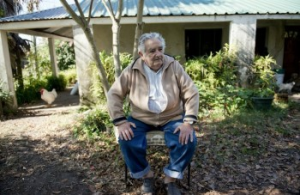
Κέρδισε την διεθνή καταξίωση γιατί προώθησε κοινωνικές και περιβαλλοντικές πολιτικές ρηξικέλευθες και εξαιρετικά ελευθεριακές. Νομιμοποίησε τις εκτρώσεις, τον γάμο μεταξύ ομόφυλων ζευγαριών, την χρήση της κάνναβης και εθνικοποίησε την παραγωγή της μαριχουάνας διαλύοντας τα καρτέλ. Θα μείνει στην ιστορία για την ασυνήθιστη ειλικρίνειά του, και τις ρητορικές του ικανότητες, αλλά κυρίως θα τον θυμόμαστε για την ικανότητά του να μετατρέπει τις ιδέες του σε πράξεις.

«Έχω καρκίνο του οισοφάγου», είπε στην συνέντευξη Τύπου ο Ελ Πέπε. «Είναι προφανώς κάτι πολύ επικίνδυνο και διπλά περίπλοκο στην περίπτωσή μου, έχω δυο δεκαετίες ένα αυτοάνοσο νόσημα – τον υποχρέωσε να παραιτηθεί και από το αξίωμα του γερουσιαστή τον Οκτώβριο του 2020 – που έχει επηρεάσει μεταξύ άλλων τη νεφρική μου λειτουργία και δυσχεραίνει την αντιμετώπιση με χημειοθεραπεία, ακτινοθεραπεία ή χειρουργική επέμβαση. Η ζωή είναι όμορφη, αλλά σε φθείρει, Το σημαντικό είναι να σηκώνεσαι κάθε φορά που πέφτεις και όταν νοιώθεις θυμό, να τον μετατρέπεις σε ελπίδα».
Ο πρόεδρος των φτωχών, που πέρασε 14 χρόνια φυλακισμένος και αρκετό χρόνο της ζωής του στην απομόνωση, στον πάτο ενός πηγαδιού, μιλά:
1. Για τις επαναστάσεις και τις εξεγέρσεις
Έχω δει την άνοιξη που τελείωσε με μία φρικτή βαρυχειμωνιά. Εμείς, οι άνθρωποι, είμαστε αγελαία όντα. Δε μπορούμε να ζήσουμε μόνοι μας. Ζούμε σε εξάρτηση με την κοινωνία. Είναι ένα πράγμα να ρίξεις μία κυβέρνηση ή να φτιάξεις ένα οδόφραγμα και είναι κάτι τελείως διαφορετικό να δημιουργήσεις ή να κτίσεις μία καλύτερη κοινωνία. Μία κοινωνία χρειάζεται οργάνωση, πειθαρχία και δουλειά σε βάθος χρόνου. Μην τα μπερδεύουμε λοιπόν αυτά τα δύο. Θέλω να κάτω το εξής ξεκάθαρο:
Μου αρέσει αυτή η νεανική ενέργεια και ο αυθορμητισμός, αλλά νομίζω ότι δε θα οδηγήσει πουθενά εάν δεν ωριμάσει”.
2. Για τη νομιμοποίηση της μαριχουάνας:
“Πάντα έτσι συμβαίνει με τις αλλαγές. Το 1913, καθιερώσαμε το δικαίωμα στο διαζύγιο για τις γυναίκες της Ουρουγουάης. Ξέρετε τι λέγανε τότε; Ότι ο θεσμός της οικογένειας θα εξαφανιστεί. Ότι αυτό θα είναι το τέλος των καλών τρόπων και της κοινωνίας. Πάντα θα υπάρχει μία συντηρητική και πιο παραδοσιακή αντιμετώπιση των πραγμάτων, που θα κτίζει πάνω στο φόβο για την αλλαγή. Όταν ήμουνα νέος και πήγαινα να χορέψω στα κλαμπ της εποχής, έπρεπε να φοράμε κουστούμια και γραβάτες. Αλλιώς, δε μας άφηναν να μπούμε. Δε νομίζω πως σήμερα στα πάρτι της νεολαίας κάτι τέτοιο ισχύει”.
3. Για τον υλισμό:
“Έχουμε θυσιάσει τους παλιούς άυλους θεούς, και τώρα, έχουμε κάνει κατάληψη στο ναό του Θεού της Αγοράς. Αυτός ο θεός που οργανώνει την οικονομία, την πολιτική, τις συνήθειές μας, τις ζωές μας, και μας παρέχει πιστωτικές κάρτες και επιτόκια, λες και εκεί βρίσκεται η ευτυχία”
“Μοιάζει σα να έχουμε γεννηθεί μονάχα για να καταναλώνουμε και να καταναλώνουμε. Και όταν δε μπορούμε πλέον να καταναλώσουμε, νοιώθουμε τη ματαίωση και υποφέρουμε από τη φτώχια και αυτό-περιθωριοποιούμαστε”
4. Για την παγκόσμια κατανάλωση:
“Μπορούμε πλέον να ανακυκλώνουμε σχεδόν τα πάντα. Εάν ζούσαμε με αυτά που έχουμε, εάν ήμασταν επαρκείς, και οι 7 δισεκατομύρια άνθρωποι στον κόσμο θα είχαν όλα όσα χρειάζονται. Προς τα εκεί θα έπρεπε να κατευθύνονται οι παγκόσμιες πολιτικές. Αλλά σκεφτόμαστε ως άνθρωποι και χώρες και όχι ως είδος”
5. Για το δικαίωμα στην έκτρωση και τον γάμο ομόφυλων:
“Εφαρμόσαμε μία πολύ απλή αρχή: Αναγνωρίσαμε τα γεγονότα. Η έκτρωση είναι τόσο παλιά όσο ο κόσμος. Ο γάμος μεταξύ ομόφυλων, επίσης. Είχαμε τον Ιούλιο Καίσαρα, τον Μεγάλο Αλέξανδρο, η ομοφυλοφιλία δεν είναι σημείο των μοντέρνων καιρών μας, είναι πολύ πιο παλιά από ότι νομίζουμε. Είναι μία αντικειμενική πραγματικότητα που υπάρχει. Για εμάς, το να μη την νομιμοποιούμε θα ήταν σα να βασανίζουμε άσκοπα αυτούς τους ανθρώπους”
6. Για το τέλος των συγκρούσεων:
Όταν ερωτήθηκε για το κατά πόσο η Ουρουγουάη θα μπορούσε να προσφέρει τις υπηρεσίες τις για να λήξει η 50ετής πόλεμος στην Κολομβία μεταξύ κυβέρνησης και ανταρτών, είπε:
“Από μακριά, μοιάζει σα ένας πόλεμος δίχως λύση και σα μία μακριά θυσία για ολόκληρη τη χώρα. Οπότε, όταν παρουσιάζεται ένας πρόεδρος που προσπαθεί να ανοίξει ένα μονοπάτι που μπορεί να οδηγήσει στην ειρήνη, νομίζω πως αξίζει να τον υποστηρίξουμε. Γιατί υπάρχει πολύς πόνος, και αν προσπαθήσουν να ανταποδώσουν όλοι αυτό τον πόνο, αυτός ο πόλεμος δε θα τελειώσει ποτέ. Αλλά υπάρχει μία ευκαιρία. Θα ένιωθα πολύ εγωιστής εάν δε βοηθούσα με οποιοδήποτε τρόπο μπορώ”.
“Η βοήθεια δε σημαίνει επέμβαση. Δε θα αναμειχθώ εάν δε με καλέσουν. Αλλά αν μπορώ να λειτουργήσω ως ένας μεσάζοντας με την εμπειρία που έχω, τότε θα ενθαρρύνω τη συμμετοχή στο διάλογο μεταξύ κυβέρνησης και ανταρτών. Των ανταρτών που έχουν και αυτοί τα προβλήματά τους, και έχουν τους δικούς τους βάσιμους φόβους. Νομίζω πως όλοι στη Λατινική Αμερική πρέπει να βοηθήσουμε.”
7. Για το ότι παρέμεινε σεμνός παρά την θέση εξουσίας που κατήχε:
“Μόλις οι πολιτικοί αρχίζουν να σκαρφαλώνουν στην ιεραρχία, ξαφνικά αισθάνονται σα βασιλιάδες. Δεν ξέρω γιατί συμβαίνει αυτό. Αυτό που γνωρίζω είναι ότι όσοι προασπίζονται τη δημοκρατία βρίσκονται στον κόσμο για να διασφαλίσουν ότι κανείς δε θα είναι πιο ίσος από τους άλλους”. Σχετικά με τα μεγέθη των γραφείων και των σπιτιών που δίνονται σε πολιτικούς με αξιώματα, τα θεωρεί απομεινάρια της φεουδαρχίας: “Χρειάζεσαι ένα παλάτι, κόκκινα χαλιά και πολλούς υπήκοους να σου λένε, “μάλιστα, κύριε”. Όλα αυτά είναι φρικτά”
8. Για την αναδιανομή του πλούτου:
“Οι επιχειρήσεις θέλουν απλά να αυξάνουν τα κέρδη τους: είναι στο χέρι της κυβέρνησης να διασφαλίσει ότι αρκετά από αυτά τα κέρδη θα αναδιανεμηθούν ώστε οι εργαζόμενοι να έχουν λεφτά για να αγοράσουν τα προϊόντα τα οποία παράγουν. Δεν υπάρχει κανένα μυστήριο εδώ – όσο λιγότερο φτώχια υπάρχει, τόσο περισσότερο ανθεί το εμπόριο. Η πιο σημαντική επένδυση είναι στους ανθρώπινους πόρους”
9. Για τα γηρατειά:
“Αυτό που είναι λυπηρό είναι ότι ένας 80χρονος παπούς πρέπει να είναι ο πιο ανοιχτόμυαλος. Οι γέροι δεν είναι γέροι εξαιτίας της ηλικίας τους, αλλά εξαιτίας αυτών που έχουν στο κεφάλι τους.
10. Για την εξάρτηση:
“Χειρότερο από τα ναρκωτικά είναι η διακίνηση των ναρκωτικών. Πολύ χειρότερο. Τα ναρκωτικά είναι η αρρώστια και δεν πιστεύω ότι υπάρχουν καλά ναρκωτικά ή ότι η μαριχουάνα κάνει καλό. Ούτε τα τσιγάρα κάνουν καλό. Καμία εξάρτηση δεν είναι καλή. Συμπεριλαμβάνω και το αλκόολ. Η μόνη καλή εξάρτηση είναι ο έρωτας. Ξεχάστε όλα τα υπόλοιπα”
11. Για το ότι τον αποκαλούν τον φτωχότερο πρόεδρο στον κόσμο”
“Δεν είμαι ο φτωχότερος πρόεδρος. Ο φτωχότερος είναι αυτός που χρειάζεται πολλά για να ζήσει. Η ζωή μου είναι το αποτέλεσμα των τραυμάτων μου. Είμαι ο γιος της ιστορίας μου. Υπήρχαν εποχές όπου για να είμαι χαρούμενος δε χρειαζόμουν τίποτα παραπάνω παρά ένα στρώμα για να κοιμηθώ”
12. Για το ότι δώριζε το 90% του μισθού του :
“Έχω ένα τρόπο ζωής που δεν πρόκειται να τον αλλάξω επειδή είμαι πρόεδρος. Κερδίζω περισσότερα από όσα χρειάζομαι, ακόμα και αν αυτά τα χρήματα δεν ήταν αρκετά για άλλους προέδρους. Για μένα, το να είμαι πρόεδρος δεν είναι θυσία, είναι καθήκον”
13. Για τους στόχους του για την Ουρουγουάη
Jose Pepe Mujica-13
“Ο στόχος μου είναι να πετύχω τη μείωση της αδικίας στην Ουρουγουάη, να βοηθήσω τους πιο ευάλωτους και να αφήσω μία παρακαταθήκη πολιτική, έναν τρόπο για να οραματιζόμαστε το μέλλον το οποίο θα μπορούν να χρησιμοποιήσουν άλλοι που θα έρθουν να πάρουν τη θέση μου. Δεν υπάρχει τίποτα που να έχει μικρή διάρκεια. Αυτό που θέλω είναι να αγωνιστώ για το κοινό καλό. Η ζωή, ξέρετε, περνάει γρήγορα. Ο μόνος τρόπος για να παρατείνεις τη ζωή σου είναι άλλοι να συνεχίσουν τη δουλειά που εσύ έχεις ξεκινήσει”.
14. Για την εμπειρία του να είναι πρόεδρος
Jose Pepe Mujica-14
“Ο πρόεδρος είναι ένας υψηλός αξιωματούχος που εκλέγεται για να πραγματοποιεί μία λειτουργία. Δεν είναι βασιλιάς, δεν είναι θεός. Δεν είναι κάποιος σαμάνος σε κάποια φυλή ώστε να γνωρίζει τα πάντα. Είναι ένας δημόσιος υπάλληλος που ζει για να εξυπηρετεί τους πολίτες. Νομίζω ότι ο ιδανικός τρόπος ζωής για έναν πρόεδρο είναι να ζει όπως η πλειοψηφία του κόσμου για τον οποίο εκλέχθηκε να υπηρετήσει”
15. Για το μυστικό της ευτυχίας
Jose Pepe Mujica-15
“Να ζεις σύμφωνα με τα πιστεύω σου. Να είσαι ο εαυτός σου και να μην προσπαθούν να επιβάλλεις τα κριτήριά σου στους υπόλοιπους. Δεν περιμένω από τους άλλους να ζουν όπως εγώ. Θέλω να σέβομαι την ελευθερία των άλλων ανθρώπων, αλλά προασπίζομαι τη δική μου ελευθερία. Και αυτό έρχεται με το να έχεις το θάρρος να λες αυτό που πιστεύεις, ακόμα και όταν δε μοιράζονται την οπτική σου”
Σε δικά του λόγια:
“Η Ουρουγουάη είναι μικρή χώρα. Δεν έχουμε προεδρικό τζετ και δεν χρειάζομαι ένα τέτοιο. Αντ’ αυτού, αγοράσαμε ένα πολύ ακριβό ελικόπτερο διάσωσης, με χειρουργικές εγκαταστάσεις, που θα διασώζει ανθρώπους και θα προσφέρει επείγουσες ιατρικές υπηρεσίες. Είναι τόσο εύκολο: βλέπετε τη διαφορά; Ένα προεδρικό τζετ ή ένα ελικόπτερο διάσωσης; Αυτή είναι μία ερώτηση νηφαλιότητας”.
Για την πραγματική φτώχεια
«Με αποκαλούν τον “φτωχότερο πρόεδρο του κόσμου”, αλλά εγώ δεν είμαι φτωχός. Φτωχοί είναι αυτοί που δουλεύουν μόνο για να διατηρήσουν έναν ακριβό τρόπο ζωής και θέλουν όλο και περισσότερα υλικά αγαθά».
Για την ελευθερία από τον υλισμό
«Είναι ζήτημα ελευθερίας. Αν δεν έχεις μεγάλη ιδιοκτησία, δεν χρειάζεται να δουλεύεις όλη τη ζωή σου σαν δούλος για να τη συντηρείς. Έτσι, έχεις περισσότερο χρόνο για τον εαυτό σου.».
Για την προεδρία και τα αξιώματα
«Ο πρόεδρος είναι ένας υψηλόβαθμος αξιωματούχος που εκλέγεται για μία συγκεκριμένη δουλειά. Δεν είναι βασιλιάς, δεν είναι θεός. Δεν είναι ο παντογνώστης γιατρός-μάγος κάποιας φυλής. Είναι ένας δημόσιος υπάλληλος. Νομίζω ότι ο ιδανικός τρόπος ζωής [για τον πρόεδρο] είναι να ζει όπως η μεγάλη πλειοψηφία του κόσμου που προσπαθούμε να υπηρετούμε και να εκπροσωπούμε.»
Για την ηλικία και τον συντηρητισμό
«Το θλιβερό είναι ότι ένας 80χρονος παππούς πρέπει να είναι ο ανοιχτόμυαλος. Οι γέροι δεν είναι γέροι λόγω της ηλικίας τους, αλλά λόγω της νοοτροπίας που κουβαλούν. Τρομοκρατούνται με [τις πολιτικές μας], αλλά δεν τρομοκρατούνται με όσα συμβαίνουν στο δρόμο;»
Για το παγκόσμιο μοντέλο ανάπτυξης
«Θέλουμε το μοντέλο ανάπτυξης και κατανάλωσης των πλούσιων χωρών; Σας ρωτώ: τι θα συνέβαινε σε αυτόν τον πλανήτη αν οι Ινδοί είχαν την ίδια αναλογία αυτοκινήτων ανά νοικοκυριό με τους Γερμανούς; Πόσο οξυγόνο θα μας απέμενε; Έχει ο πλανήτης μας αρκετούς πόρους ώστε 7 ή 8 δισεκατομμύρια άνθρωποι να φτάσουν στο επίπεδο κατανάλωσης και σπατάλης που παρατηρούμε στις πλούσιες κοινωνίες; Αυτή ακριβώς η υπερκατανάλωση είναι που βλάπτει τον πλανήτη μας.»»
Για τις εξεγέρσεις
«Έχω δει κάποιες “Ανοίξεις” που κατέληξαν να γίνουν φοβεροί χειμώνες. Οι άνθρωποι είμαστε κοινωνικά όντα, δεν μπορούμε να ζούμε μόνοι μας. Για να είναι δυνατή η ζωή μας, εξαρτόμαστε από την κοινωνία. Είναι άλλο πράγμα να ανατρέπεις μία κυβέρνηση ή να στήνεις οδοφράγματα, και τελείως διαφορετική υπόθεση να δημιουργείς μία καλύτερη κοινωνία, που χρειάζεται οργάνωση, πειθαρχία και μακροπρόθεσμη δουλειά. Ας μην μπερδεύουμε αυτά τα δύο. Θέλω να είμαι σαφής: συμπαθώ τη νεανική ενέργεια [των εξεγέρσεων], αλλά νομίζω ότι δεν οδηγεί πουθενά αν δεν ωριμάσει.» ……………….
Χάρη στον «πρόεδρο των φτωχών» η Ουρουγουάη έγινε παγκόσμιος ηγέτης της πράσινης ενέργειας!
Χάρη στον πρόεδρο των φτωχών η Ουρουγουάη έγινε παγκόσμιος ηγέτης της πράσινης ενέργειας. Παράγει το 95% της ηλεκτρικής ενέργειας από Ανανεώσιμες Πηγές.
“Η Ουρουγουάη παράγει πλέον το 95% της ηλεκτρικής ενέργειας που χρειάζεται από ανανεώσιμες πηγές ενέργειας!” Αυτό ανακοίνωσε ο επικεφαλής της πολιτικής για την κλιματική αλλαγή στην χώρα Ραμόν Μέντεζ, στη σύνοδο κορυφής του ΟΗΕ στο Παρίσι και «έβαλε γυαλιά» σε όλους. Η Παγκόσμια Τράπεζα ανακοίνωσε πως: «Η Ουρουγουάη καθορίζει τις παγκόσμιες τάσεις στις επενδύσεις ανανεώσιμων πηγών ενέργειας Η Ουρουγουάη αναδεικνύεται σε “ηγέτη πράσινης ενέργειας», τονίζει η ανακοίνωσε η WWF. Ο Ραμόν Μέντεζ, στη σύνοδο κορυφής του ΟΗΕ στο Παρίσι, παρουσίασε ένα από τα πιο φιλόδοξα σχέδια για τη μείωση στις εκπομπές διοξειδίου του άνθρακα κατά 88% μέχρι το 2017, σε σύγκριση με το μέσο όρο της περιόδου 2009 – 2013. “Οι ανανεώσιμες πηγές ενέργειας καλύπτουν, είπε,, το 94,5% των αναγκών του πληθυσμού της χώρας – 3,4 εκατομμύρια – για ηλεκτρική ενέργεια, γεγονός που οδήγησε και σε σημαντική μείωση των τιμών του ηλεκτρικού ρεύματος σε σχέση με τον πληθωρισμό. Παράλληλα με την κατάλληλη σύνθεση διαφορετικών ενεργειακών πηγών επιτυγχάνεται καλύτερη ποιότητα των παρεχόμενων υπηρεσιών – με λιγότερες διακοπές ρεύματος – και μεγαλύτερη ανθεκτικότητα στην ξηρασία.
Όπως έγραψε ο Guardian : «Το εντυπωσιακό επίτευγμα υλοποιήθηκε σε λιγότερα από δέκα χρόνια, χωρίς κρατικές επιδοτήσεις ή επιβαρύνσεις στους πολίτες. Στο επίτευγμα της Ουρουγουάης δεν υπάρχουν τεχνολογικά θαύματα, ούτε πυρηνική ενέργεια, ενώ δεν έχει προστεθεί καμία νέα εγκατάσταση υδροηλεκτρικής ενέργειας στο δίκτυο για πάνω από δύο δεκαετίες
ΑΥΡΙΟ: Μπορείτε να διαβάσετε την συγκλονιστική ιστορία του Pepe, του «φτωχότερου πρόεδρου στον κόσμο» στο αφιέρωμά μας στο 1VOICE.GR και να δείτε και την ταινία του Álvaro Brechner: «Η Δωδεκάχρονη Νύχτα». Ένας ύμνος στο ανθρώπινο μεγαλείο, την θέληση για επιβίωση και τη δύναμη του πνεύματος των ανθρώπων σε συνθήκες δικτατορίας που ξεπέρασαν τους εαυτούς τους αγωνιζόμενοι για δημοκρατία, ελευθερία, ισότητα. Ένα ιστορικό πολιτικό δράμα, βασισμένο σε αληθινά γεγονότα που συγκλόνισαν την Ουρουγουάη στη δεκαετία του ΄70. To φιλμ αφορά την ιστορία τριών κρατουμένων, του μετέπειτα πρόεδρου της Ουρουγουάης Jose(Pepe)Mujica, και των Mauricio Rosenkof (γνωστός σύγχρονος ποιητής και συγγραφέας) και Eleuterio Fernandez-Huidobro «Niato» που αφηγήθηκαν την ιστορία τους στο συγκλονιστικό βιβλίο-μαρτυρία «Τουπαμάρος-Ημερολόγια Φυλακής» (στα ελληνικά από τις εκδόσεις Κουκίδα και πρόλογο του Eduardo Galeano). Το 1973, στην Ουρουγουάη, οι αντάρτες Τουπαμάρος, ένα πολιτικό κόμμα, με την ονομασία “Κίνημα για την Λαϊκή Συμμετοχή”, έχουν χάσει τον πόλεμο με τον στρατό και η δικτατορία κυβερνάει τη χώρα. Τρεις φυλακισμένοι αντάρτες μένουν στην απομόνωση.Υπεβλήθησαν σε άγρια βασανιστήρια και παρέμειναν έγκλειστοι υπό απάνθρωπες συνθήκες για 14 χρόνια, σε διάφορα στρατόπεδα και φυλακές της χώρας.y way of thinking










 Παραθυρο στον Κοσμο